
Regularly checking on your credit history is essential to understanding your current financial health. It provides insights into how well you manage your debt and is a great way to know if you’re in a good position to borrow money. In addition, it also alerts you to fraud and helps you detect inaccurate information on your account.
Lenders may accept or deny your loan applications based on the information provided in your credit report and their own criteria. That’s why before you make big financial decisions like buying a house or a car, it is beneficial to obtain this free document.
How To Get a Free Credit Report
There are three major credit reporting bureaus in the United States: Equifax, Experian, and TransUnion. Fortunately, you are entitled to a free annual report from each of these agencies. The easiest way to request a copy is to visit AnnualCreditReport.com. You may also call (877) 322-8228 or download and complete the request form online before mailing it to:
Annual Credit Report Request Service
P.O. Box 105281
Atlanta, GA 30348-5281
If you wish to obtain all three reports at once, you can order each document separately. By doing this, you can better monitor your credit scores and history throughout the year. Once your free annual report from each agency is used up, they might charge up to $13.50 for subsequent requests.
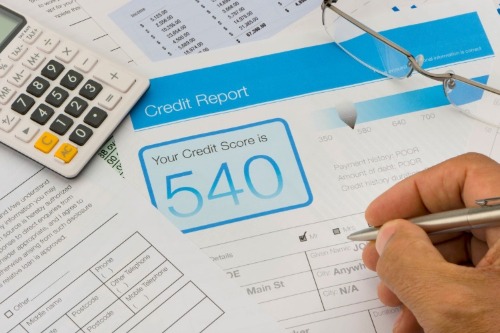
What To Look For When You Receive Your Credit Report
The information contained in your credit report will help lenders determine whether to extend credit to you or not. Regularly monitoring your credit report status can improve your chances for loan approvals. However, with so many details listed in a single document, it can be overwhelming to review each of them. Here are some of the key points you should pay close attention to when inspecting your credit report:
Personal Information
Check if your credit report has an incorrect or incomplete name, address, or phone number. Multiple birth dates, the wrong social security number, and inaccurate employment information are also considered errors.
Accounts
This section comprises information on all of your credit accounts, such as credit cards, auto loans, and mortgages. Unrecognized accounts, inaccurate status of accounts, and incorrect credit limits are all bad news and should be verified.
Public Records
Lenders and other third parties will also inspect your public records for financial transactions like bankruptcies, foreclosures, and tax liens.
Inquiries
Reviewing your credit report will also help you detect if a company pulled your report without your permission or knowledge. This may mean that a fraudster applied for an account in your name.
Entrust Your Finances to Us
If you need help requesting a credit report, turn to us at 1st Community Credit Union. We take pride in delivering friendly and personalized service to our members. Contact us to get started on your journey to achieving financial independence.
Setting aside cash can give you peace of mind when unplanned situations happen. After all, unforeseen payments for medical bills, home repairs, and other emergencies can set you back and lead to financial losses.
Reserved money for unexpected expenses can help you feel more secure and confident about the future. So, it’s best to have enough cash stored. To help you understand the concept better, here’s everything you need to know about emergency funds:
Why Is an Emergency Fund Important?
Financial stability is beneficial to enjoying and maintaining your lifestyle. Therefore, an emergency fund can keep you on track and protected when unforeseen situations occur. Consider your emergency fund a safety net, reducing the need for high-interest credit cards and personal loans.
How Much Is Enough for an Emergency Fund?
There is no set amount required when it comes to saving for unplanned expenses. It usually depends on your lifestyle, income, costs, and dependents. However, keeping three to six months’ worth of monthly fees can be a good amount to start with.
What Are the Ways to Save for Unplanned Expenses?
Reaching the ideal amount for emergency funds might be challenging to accomplish, especially if you’re living paycheck-by-paycheck. To help ease the process, the following are some practices you can do:
Keep a Budget
Monitoring your income and expenses is a good rule of thumb when you’re saving for emergencies. If you track your spending habits, you’ll be able to calculate how much you can set aside without making drastic changes to your lifestyle.
For example, you’ve noticed that much of your money goes to unnecessary apparel. You can cut back a portion from your usual clothing expenses and allot them to your emergency fund.
Set a Goal
Rather than instantaneously putting a significant amount in your savings account, you can aim for a more feasible goal like a month’s worth of expenses. This mindset will lessen the pressure of saving and help you develop a habit. Once you reach the initial amount, you can gradually increase your goal.
To determine your monthly expenses, you must combine every factor you spend based on your budget. Your calculations may include costs for housing, food, transportation, and other necessities.
Save Excess Income
If you receive more money than you usually do, it’s best to allocate it to your emergency fund. It may be tempting to spend your tax refunds, holiday pays, and other sources of income, but taking advantage of these bonuses can jumpstart your savings.
Secure Your Money
A good way to keep your emergency funds intact is to deposit them in a separate account. If you need a place to store your savings, you can contact us at 1st Community Credit Union. We can keep your money safe for unexpected situations. Get in touch with us today so we can discuss your financial plans.
Identity theft occurs when someone uses your personal data to commit fraudulent acts. This can include your name, birthday, and other important pieces of information like your social security number. It is done most of the time to steal money or purchase expensive items.
Nowadays, even the information of teenagers and college students can be used to commit fraud of any kind. Such a matter can be tricky to navigate as a young adult, but there are ways to educate younger generations to prevent these crimes and protect their identify. We have listed a couple of tips to help youngsters avoid having their personal information stolen.
Be Alert to Phishing and Spoofing
Phishing and Spoofing are two of the most common ways information can be taken unknowingly from an individual. Some scammers are known for making calls seem like they are from big companies when in fact, they’re only trying to get your important details.
With that being the case, it’s best not to answer calls from unknown numbers. In addition, be wary of emails from unknown addresses as they may contain malware that can harm your computer. Never download attachments from someone who sends them unexpectedly.
Try Enabling Two-Factor Authentication on Your Devices
Stolen passwords account for 81% of fraudulent hacks. To better secure your personal data, enable two-factor authentication on your social accounts and emails. This can add an additional layer of protection to your information.
Two-factor authentication works by having multiple identifiers to access an account. It can be a combination of a password, biometric signature like a fingerprint, and possession such as a phone or tablet. Even if your device is stolen, the thief will have trouble trying to access your information.
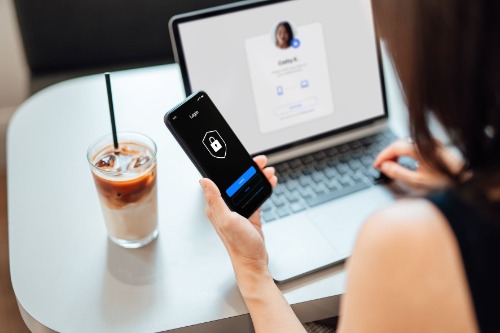
Install Antivirus Software on Your Devices
Nowadays, most of our information is kept on electronic devices like phones, computers, and laptops. As a result, it can be difficult to deal with if one of your devices get compromised. A good way to protect your devices and your identity is by downloading antivirus software on them.
Hackers may use malware that contains viruses, spyware, and other unwanted software. Having antivirus software on your device can keep them from harming your hardware and, by extension, your information.
Clear Out the Data on Your Electronics
If you’re upgrading electronics and giving away your old ones, make sure to clear out all of the data on the used hardware, as they can be restored with a data recovery program.
Luckily, there are programs that can help you wipe your used devices with just a few clicks. If you want to save the information left, there are also applications that can transfer your data to a new device.
One recommendation to avoid having data stolen off your phone at any time is to encrypt your phone. In this scenario, any data left on your phone will be scrambled and therefore safe, even if you lose your phone unexpectedly.
Let Us Provide You Efficient Security Against Identity Theft
If you want to protect your account against potentially fraudulent activity, 1st Community Credit Union can equip you with fraud-fighting tools. We take pride in serving our members in the best way we know. Get in touch with us today!
If you feel ready to buy your own place and are considering getting a mortgage, there’s one thing you should do first. Mortgage pre-approval is a great and quick way to determine how much you can borrow to purchase the home you want. Your lender will check and review your financial details, including your income, assets, and credit score, to find loan options you could be qualified for.
Once you’re pre-approved, you might be asked to provide documents like bank statements or pay stubs as proof of income. During this process, you’ll find out the maximum amount of mortgage you’ll qualify for, how much your monthly payments might be, and what your interest rate would be.

Why Is Mortgage Pre-Approval Important?
Getting pre-approved allows you to set a total house-hunting budget, which can help you better balance your finances. When you are aware of how much you can afford, it will be easier for you to shop mortgage rates and find the best deals. In addition, you’ll have more confidence in making an offer to a seller because a pre-approval shows that you are a serious homebuyer.
Furthermore, a seller would want an assurance that you’ll complete your purchase of the property. Showing them your pre-approval letter will give you a competitive advantage over other buyers.
How Do You Get Pre-Approved?
Once you’ve made the decision to buy a new home, get pre-approved for a mortgage. To start the pre-approval process, here are some steps you should do:
Collect Relevant Documents
Gathering all the relevant documentation is essential to the pre-approval process. This includes your proof of income, employment verification, proof of assets, credit history, identification, and debt-to-income ratio. Your lender or loan officer will review them to provide you with a loan estimate, which you will typically receive within 3 business days.
Get Your Credit Score Checked
You can give your lender permission to obtain your credit report so they can assess it. Although inquiries from loan officers might cause your credit score to drop slightly, they won’t significantly hurt your credit.
Receive Your Pre-Approval Letter
Once you’re pre-approved, make sure to secure the pre-approval letter that your lender will provide. Most real estate agents would want to see this document before they start showing you houses. This will prevent them from presenting properties that aren’t within your budget.
You can also show the pre-approval letter to the seller when you make an offer. It will work as proof that you won’t have problems financing the amount you’re promising to pay.
Get Expert Help From Us Today
If you need guidance on purchasing your dream home, our mortgage experts at 1st Community Credit Union are here to help. We can tell you about the current mortgage rates and terms, as well as advise you in finding the right options for your budget. You can get started today, it’s as easy as clicking the “Apply Now” button on our website and answering a few simple questions.
Traveling can be a fun and relaxing way to spend your free time. However, it can also be expensive because of accommodations, food, and transportation. So, before you hop on to the next plane, train, or boat, it's best to consider having a plan. Here are some tips on how you can start budgeting for your next getaway:
Select a Destination
You must know where you're heading first before you can make a budget for your vacation. That way, you can estimate the money you'll spend on your transportation. For example, choosing a drivable location can keep you from paying for costly flights. You'll have your car, so you don't need to rent a vehicle anymore.
Additionally, prices may differ per location. What might be affordable in one country may be expensive in another. Determining the range of your possible travel expenses can let you prepare and adjust your budget accurately.

Set Your Priorities
Sometimes, having a budget for your vacation might not be enough to ward off temptations, leading you to overspend. So, it's best to take note of your priorities. Ask yourself if you want to enjoy the attractions, immerse yourself in a foreign culture or try new food.
If you define your priorities, you can align your expectations and focus on achieving your goals. You can also spend less on things you don't need or can find alternatives.
For example, if tasting local cuisine is not that important to you, you can save money by cooking or bringing your food instead of purchasing it at your destination.
Detail Your Budget
Setting money aside may not suffice if you want to spend less on traveling. Instead, having a detailed financial plan to complement it is better. It can save you from overspending because you know exactly where your cash will go. To do that, you have to determine how much you can spend. You should also consider all the factors that can affect your trip, such as your needs and wants, and allocate your cash as you see fit.
Take Advantage of Promotions
Coupons and promotions can save you a lot of money on vacation. They can include more financial-friendly benefits. For example, some hotels offer complimentary breakfast. Taking advantage of their special deal, you can allot the money reserved for your meal to other things like souvenirs or additional snacks.
Promotions might also allow you to receive the same services at a lower price, especially for transportation. Some airlines offer deals that can let you book more affordable flights during a specific time.
Start Saving Early
If you're thinking of going on a vacation, saving money and sticking to a budget is the best way to set your plan in motion. So, you should open a savings account at 1st Community Credit Union in Sparta, WI to place funds for your trip. Call today to learn more about our services.
A house without a pet does not always feel like a home for some. However, when taking in a new animal companion, there must always be some financial planning and budgeting. Depending on your income and monthly expenses, adopting a pet may bring in additional fees that you might have to adjust to. Budgeting your finances is essential when you have a new family member to provide for.
Like humans, pets require food, bedding, and medical care. On average, Americans spend at least $500 a year on their pets’ needs. To ensure a long and happy life for your new companion, you must be financially prepared to provide for their daily needs. A thorough planning ensures that you can support a new family member in your home. Here are some tips on how to make a financial plan for pets:

Be Familiar With the Adoption Costs
The adoption process for dogs and cats often varies but is rarely free. Certain animal shelters may require you to pay for the spaying and neutering of your chosen pet. Additionally, there may be vaccination fees that you must settle before you can take your new companion home. It pays to talk to your chosen shelter first and determine the total expenses before getting a new pet.
Make a List of All the Pet Supplies You Need
Depending on what kind of pet you are preparing for, you must list all the supplies they will need while living in your home. Specialized food, bedding, treats, and toys tend to be costly items that require regular maintenance. Before welcoming your new animal companion, you may opt to do your research on how much certain food brands and pet supplies will cost you per month.
Consider Your Day-to-Day Expenses
Specialized food is something you might have to purchase regularly for any pet. In the case of cats, however, you will also have to spend on cat litter frequently. Before you take in a new animal companion, you must consider how you can afford their day-to-day expenses. Prior research and budgeting are helpful to ensure that you will not overspend.
Plan for Veterinary Care
If your pet has never been checked by a veterinarian or has never received any vaccination, getting an initial evaluation must be considered. While medical care for animals requires additional fees, it will help ensure that your new companion will be free from parasites and health problems. Upon receiving an initial assessment, you may talk to your vet about annual checkups and their fees.
Get Low-Cost Credit for Your Pet Expenses
After doing the planning and budgeting of expenses before welcoming a new animal companion, you might want to apply for a loan or get credit for their initial needs. If you are looking to make a financial plan for pets, 1st Community Credit Union can provide you with the resources that you need. Contact us today!
Saving money is an essential life skill that everybody, regardless of age, should learn about. However, managing finances can be a challenge if you don't have a strong foundation in financial literacy. It’s important to teach kids and encourage them to form healthy money habits right away. When they start early in life, these practices will stay with them and eventually shape them into becoming financially responsible adults.
Parents know that a lot of work goes into teaching children about savings, more than just encouraging them to set aside a portion of their allowance. Kids need to stay motivated and be consistent, but it’s quite a challenge when they don’t understand what they’re saving for. One good way to go about this is by setting short-term and long-term money goals.

Do they want to buy a new toy, or do they just want some spending money on vacation? Regardless of your child’s motivation, we’re here to guide you in teaching them how to achieve it. Here are some smart tips on how your child can raise funds for both short-term and long-term savings goals:
Differentiate Wants and Needs
The first and most important step of teaching kids about healthy money habits is to identify the difference between wants and needs. Start by citing examples of needs (food, shelter, clothing, healthcare, and education) and wants (toys, electronics, etc.).
Then, you can quiz them to test if they can already grasp these two concepts. Doing this can teach them to prioritize spending on necessities over luxuries.
Teach Kids To Track Their Expenses
Being a better saver means being mindful of your expenses as well. Let your kids keep a journal where they can log and see their purchases. Have them add up everything so they can keep track of where most of their allowance is going.
By doing this, you can help your children grasp how important it is to create a balance between their expenses and their savings. This may prompt them to change their practices so they can achieve their goals faster.
Provide a Safe Storage Place
For younger kids, having a piggy bank may be enough. But when your child gets a little older, it may be wise to open a savings account at a local credit union.
Build a Financially Secure Future for Your Child
Saving doesn’t have to be hard work when you have reliable financial professionals by your side. Let our team at 1st Community Credit Union be your partner in ensuring a bright financial future for your kids. Get in touch with our staff to find out how you can open a children’s savings account.
The Benefits of Using Two-Factor Authentication When Banking Online
In today’s world of being able to accomplish most of your tasks virtually, it is important to have two-factor authentication as part of your mobile banking experience. Its main benefits are added security levels and minimizing the risk of consumer identity theft.
Whether your credit cards or personal savings accounts are linked to your mobile app, two-factor authentication decreases the chance of a security breach. Here are more benefits of using two-factor authentication when banking online.
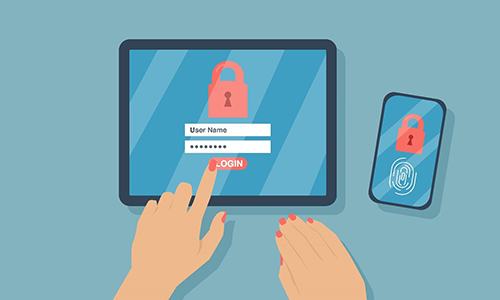
Prevent Fraud
Two-factor authentication, or 2FA, makes it more difficult for hackers to get information from your online banking portal. Someone seeking access to a 2FA-protected account will encounter more obstacles if they are trying to access your account.
A good example of fraud protection is SMS-based two-factor authentication. The hacker will need two means of identification to access your bank: your account password and your mobile phone.
Nowadays, solving simple password combinations and gaining access to sensitive data has become obsolete. This is because having two or more verification steps stops them from gaining access through your password alone.
Using 2FA can further safeguard your accounts against unsolicited access to personal and corporate data. It reduces the risk of cyber breaches from anyone who gets a hold of your primary credentials.
Enhance Logins
Two-factor authentication involves the use of a one-time password, or OTP. This is a string of letters, numbers, or characters delivered once to a user for a single login attempt. OTPs lower the risk of hackers getting into your account by sending time-sensitive, unique, and random code to your phone through a text, call, or an app.
2FA is a more personalized approach to access your online information by involving your other online accounts and devices. Utilizing these personal resources can inevitably add a layer of protection to your account. Using 2FA to have an amplified login system is the best way to maintain strong security standards when opening your mobile bank app.
Reduce IT Calls
Nowadays, the most common support issue is a forgotten password. Without a 2FA solution in place, the only way to retrieve it is by contacting your bank’s helpdesk.
Having your issue resolved by technical service providers can take a long time, and this can be prevented by using a 2FA system. Two-factor authentication simply sends a code to your verified device in order to change your password. This results in a quick, cost-effective, and secure solution to your problem.
Access Monitoring Is Allowed
Two-factor authentication often involves access monitoring for many devices. You can also limit which devices or networks have entry to your banking accounts.
If someone else tries to access your account, you will be warned in real time so you may prevent cyber breaches. Two-factor authentication is the most convenient and the quickest way to ensure that your personal data is safeguarded.
Learn More About Two-Factor Authentication
For questions about two-factor authentication, mobile banking protection, or automated fraud alerts, call 1st Community Credit Union in Wisconsin! Our representative will be happy to answer your questions about online banking.