
Quick Summary
- New car loan rates can affect your monthly payment and total borrowing cost.
- A realistic budget should include more than the loan payment.
- Comparing loan terms and rates can help you understand your financing options.
- Knowing what you can comfortably afford can make the car-buying process easier.
- We can help you review your financing options and choose an approach that fits your budget.

Planning Your Budget Before Applying for a Car Loan
Buying a new vehicle is a significant financial decision, and the loan payment is only one part of the overall cost. Before you start shopping, we recommend looking at your monthly income, regular expenses, existing financial commitments, and the amount you can comfortably put toward a vehicle.
Current car loan rates can influence how much you pay each month, so understanding the rate available to you is an important part of creating your budget.
Start by determining a monthly vehicle budget that leaves enough room for your other financial priorities. A payment that technically fits your budget may not be comfortable once insurance, fuel, maintenance, and other vehicle expenses are included.
How New Car Loan Rates Affect Your Monthly Payment
The interest rate on a car loan affects the amount you pay over the life of the loan.
Two borrowers financing the same vehicle amount could have different monthly payments if they receive different interest rates or choose different loan terms.
Your monthly payment generally depends on factors such as:
- Amount financed
- Interest rate
- Loan term
- Down payment
- Trade-in value
- Taxes and other applicable costs
When reviewing new car loan rates, we recommend looking beyond the monthly payment. A longer loan term may reduce the monthly payment but can increase the amount of interest paid over time.
Determine How Much You Can Comfortably Afford
Before deciding on a vehicle, establish a spending limit that works with your overall budget.
Consider your:
- Monthly income
- Housing and household expenses
- Existing loan payments
- Credit card payments
- Savings goals
- Emergency fund
- Expected vehicle expenses
It can be helpful to work backward from a monthly amount you are comfortable spending rather than starting with the price of the car.
This approach can help you avoid choosing a vehicle based solely on what a lender may approve. Your approved loan amount and your personal budget are not necessarily the same thing.
Account for the Costs Beyond Your Car Payment
Your car payment is only one part of owning a new vehicle.
When planning your budget, remember to account for expenses such as:
Insurance
Insurance costs can vary based on the vehicle, coverage, location, driving history, and other factors. Getting an insurance estimate before purchasing can help you build a more realistic monthly budget.
Fuel or Charging
Consider how much you expect to spend on fuel or charging based on your typical driving habits and the type of vehicle you choose.
Maintenance
New vehicles may come with maintenance schedules and service costs that should be considered as part of your ownership budget.
Registration and Other Costs
Taxes, registration, documentation fees, and other purchase-related expenses can increase the amount you need to finance or pay upfront.
Looking at the complete cost of ownership can give you a clearer picture of what the vehicle will actually cost each month.
Compare Loan Terms Before Choosing a Car Loan
The loan term determines how long you will make payments.
A shorter term generally means higher monthly payments but may reduce the total interest paid. A longer term can lower the monthly payment but may result in paying more interest over the life of the loan.
When comparing financing options, look at:
- Interest rate
- Annual percentage rate (APR), when applicable
- Monthly payment
- Loan term
- Total amount paid over the life of the loan
- Any applicable fees
Rather than choosing a loan solely because it has the lowest monthly payment, consider how the complete loan fits into your financial plans.
Consider Your Down Payment and Trade-In
The amount you finance can have a significant effect on your monthly payment.
A larger down payment can reduce the amount you need to borrow. If you have a vehicle to trade in, its value may also reduce the amount you need to finance. Before making a down payment, however, consider your overall financial situation. You may want to maintain enough savings for emergencies and other financial priorities rather than putting every available dollar toward the vehicle.
The right balance depends on your individual circumstances.
Check Your Credit Before Shopping
Your credit history can be an important factor when applying for vehicle financing. Before shopping for a car, reviewing your credit information can help you understand your financial position.
Knowing your credit standing may also help you set realistic expectations when researching new car loan rates.
If you are unsure about your financing options, we can discuss the factors that may affect your loan and help you understand the options available to you.
How to Compare New Car Loan Rates
When comparing rates from different lenders, make sure you are comparing similar loan options.
Look at:
- Interest rate: The rate charged on the amount borrowed.
- APR: A broader measure of borrowing cost when applicable.
- Loan term: The length of time you will have to repay the loan.
- Monthly payment: The amount due according to the loan terms.
- Total interest: The interest you may pay over the life of the loan.
- Fees: Any applicable costs associated with the loan.
A rate by itself does not tell you the complete cost of financing. Comparing the overall terms can help you make a more informed decision.
Build Your Car-Buying Budget Before You Visit the Dealership
Having a budget in place before you begin shopping can make it easier to stay focused.
We recommend establishing:
- A maximum vehicle price
- A comfortable monthly payment
- An amount available for a down payment
- A preferred loan term
- A budget for insurance, fuel, maintenance, and other ownership costs
Once you have these numbers, you can focus on vehicles that fit your financial situation instead of adjusting your budget around a vehicle you have already fallen in love with.
Review Your Financing Options With Our Team
Planning around new car loan rates does not have to be complicated. Understanding your budget, comparing loan terms, and considering the complete cost of vehicle ownership can help you approach your purchase with greater confidence.
At our credit union, we can help you understand your auto financing options and review the terms available to you. Our team can discuss your financing needs and help you determine an approach that fits your budget.
If you're preparing to purchase a new vehicle, contact our team to discuss your auto loan options and take the next step toward financing your vehicle.
Frequently Asked Questions
How do new car loan rates affect my monthly payment?
The interest rate is one factor that affects your monthly payment. The amount financed and loan term also influence the payment and the total amount you may pay over the life of the loan.
Should I choose a shorter or longer car loan term?
The right loan term depends on your budget and financial goals. A shorter term may result in higher monthly payments but can reduce the amount of interest paid over time, while a longer term may provide a lower monthly payment.
Should I focus on the monthly payment when budgeting for a car?
No. Your monthly car payment is only one part of the cost of owning a vehicle. You should also consider insurance, fuel or charging, maintenance, registration, and other expenses.
Does my credit affect the car loan rate I receive?
Your credit history can be one factor considered when determining loan terms. Other factors may also apply depending on the lender and loan program.
Is a larger down payment always better?
Not necessarily. A larger down payment can reduce the amount you need to finance, but you should also consider your savings and other financial priorities before deciding how much to put toward the vehicle.
How can I compare different car loan offers?
Compare the interest rate or APR, loan term, monthly payment, total borrowing cost, and applicable fees. Looking at the complete terms can give you a better understanding of the overall cost.
Should I get financing before shopping for a new car?
Getting an idea of your financing options before shopping can help you establish a realistic budget and focus on vehicles that fit within it.
Glossary
Car Loan
A loan used to finance the purchase of a vehicle, which is repaid over an agreed period with interest.
Interest Rate
The percentage charged on the amount borrowed for a loan.
APR
The annual percentage rate, which can provide a broader representation of the cost of borrowing than the interest rate alone when applicable.
Loan Term
The length of time agreed upon for repaying a loan.
Down Payment
An amount paid toward the purchase of a vehicle upfront, reducing the amount that needs to be financed.
Trade-In
A vehicle that is given to a dealership toward the purchase of another vehicle, with its agreed value applied to the transaction.
Principal
The amount of money borrowed through a loan before interest and other applicable costs.
Total Interest
The amount of interest paid over the life of a loan according to its terms.
Choosing where to manage money is a long-term decision, not just a matter of finding a checking account or loan. Credit union membership benefits can include access to competitive rates, fewer fees, convenient banking tools, personalized service, and financial products designed around members' needs. For people who qualify to join 1st Community Credit Union, becoming a member can provide an ongoing financial relationship that supports everyday banking, saving, borrowing, and future financial goals.

Why Credit Union Membership Can Be a Long-Term Financial Choice
The financial institution someone chooses can influence many parts of everyday financial life, from where paychecks are deposited to how savings are managed and where major purchases are financed.
A credit union offers a different model from a traditional bank. Credit unions are member-owned, not-for-profit financial institutions, which means the people who use the credit union are also members of the institution. 1st Community Credit Union explains that this structure allows it to focus on providing competitive rates, fewer fees, and personalized service.
That relationship can become more valuable over time as financial needs change. Someone may begin with a basic savings account and later need checking, an auto loan, a mortgage, a certificate, or other financial services. Building that relationship in one place can make managing those different needs simpler.
What Are the Key Credit Union Membership Benefits?
The value of membership goes beyond simply having another place to keep money. The most useful credit union membership benefits are often connected to the way members manage their finances over many years.
Access to Competitive Rates
Rates can make a meaningful difference when saving money or borrowing for a major purchase. Credit unions may offer competitive rates on deposit accounts and loans, giving members opportunities to make their money work more effectively.
1st Community Credit Union offers a range of savings, checking, certificate, and loan products, with rates and terms varying by product and member qualifications.
Rather than choosing an account based on one advertised feature, members can look at the full relationship and determine which products make sense for their current financial goals.
Potentially Fewer Fees
Fees can gradually add up when they are attached to everyday banking activities. Choosing accounts with straightforward fee structures can help members keep more of their money available for savings, bills, and other priorities.
The specific fees and requirements vary by account, so members should review the terms of each product before opening an account.
Personalized Service
Digital banking has made everyday transactions easier, but there are still situations where speaking with someone can make a financial decision easier to understand.
A local credit union can provide an opportunity to build an ongoing relationship with financial professionals who understand members' questions and circumstances. 1st Community Credit Union highlights personalized service as part of its approach to serving members.
That can be especially useful when comparing loan options, planning a major purchase, or deciding how to structure savings.
Membership Can Support More Than Everyday Banking
One reason credit union membership can be a smart long-term choice is the ability to use different financial services as life changes.
A member's needs may look very different at age 20 than they do at 30, 40, or 60. The financial relationship can grow alongside those changing priorities.
Checking and Savings
Everyday banking is often the starting point. A checking account can handle regular purchases and bills, while savings provides a place to build funds for short-term needs and longer-term goals. We offer both basic checking and 1st Rewards Checking, along with savings options designed for different needs and ages.
Auto Loans
A vehicle purchase can be one of the first major financial decisions many people make. Having an established relationship with a credit union may make it easier to explore financing options when the time comes. Loan rates, terms, and approval depend on factors such as credit history, loan type, and other qualifications, so comparing the complete financing offer is important.
Home Loans
As financial priorities grow, homeownership may become an important goal. 1st Community Credit Union provides home loan options and encourages prospective homebuyers to get prequalified when they are ready to begin the process.
Having access to both everyday banking and lending services through the same financial institution can simplify the process of managing different stages of a financial journey.
Certificates and Other Savings Options
When money is not needed immediately, certificates and other savings products may provide additional ways to work toward financial goals. 1st Community Credit Union offers share certificates with different terms and rates, subject to current availability and qualifications.
Why Local Service Can Matter Over Time
Long-term financial relationships are not only about products and rates. The quality and accessibility of service can also influence the overall experience.
1st Community Credit Union has branches in Sparta, West Salem, and Tomah, giving eligible members access to local service while also providing online and mobile banking options.This combination can be useful for people who prefer face-to-face assistance for certain financial decisions but want the convenience of managing routine transactions digitally.
Members can use online or mobile banking to manage balances, transfer money, pay bills, and control card access without needing to visit a branch for every transaction.
Community Connection Is Part of Credit Union Membership
Credit unions can play an important role in strengthening the communities they serve, not only through financial services but also by supporting local events, charitable organizations, and community initiatives. They can also help make fair and accessible financial services available to individuals and families, including those in underserved communities.
For 1st Community Credit Union, community involvement is an important part of serving the communities where its members live and work. Supporting local causes and organizations can include efforts focused on youth, food pantries, veterans, cancer fundraisers, and other initiatives that make a positive difference in the community.
The image featured with this article reflects that commitment through 1st Community Credit Union's support of the Boys & Girls Club. Community involvement adds another dimenstion to the relationship members can have with a local credit union because the institution is not only providing financial service but also contributing to the communities it serves.
Credit Union Membership Can Support Financial Goals
A long-term financial relationship becomes more useful when it supports specific goals rather than simply providing a place to store money.
Building an Emergency Fund
An emergency savings fund can help cover unexpected expenses without relying entirely on credit. A dedicated savings account can make it easier to separate emergency funds from everyday spending.
Preparing for a Major Purchase
Whether the goal is a vehicle, home, education, or another major expense, consistent saving can make future purchases easier to manage.
Managing Debt Responsibly
When borrowing is necessary, comparing loan rates, terms, and total costs can help borrowers make informed decisions. A credit union may provide several lending options, depending on eligibility and financial circumstances.
Planning for the Future
Financial priorities change over time. Maintaining a relationship with one financial institution can make it easier to review savings, borrowing, and other financial needs as circumstances evolve.
How to Get More Value From Credit Union Membership
Simply becoming a member does not automatically guarantee better financial results. Members can get more value from the relationship by actively reviewing the products and services available to them.
Consider these practical steps:
- Review checking and savings accounts regularly.
- Compare loan rates before making major purchases.
- Take advantage of available digital banking tools.
- Set specific savings goals.
- Ask questions before opening a new financial product.
- Review account terms, fees, rates, and qualification requirements.
- Revisit financial goals when income, expenses, or major life circumstances change.
The goal is not to use every product available. It is to choose the services that genuinely support current financial needs.
Who Can Become a Member of 1st Community Credit Union?
Membership eligibility is based on where an individual lives or works, along with certain family relationships.
1st Community Credit Union currently serves people who live or work in Monroe, La Crosse, Trempealeau, Jackson, Buffalo, Eau Claire, Clark, Wood, Juneau, Adams, Sauk, Richland, Vernon, or Crawford County. Immediate family members of eligible individuals can also qualify.
For eligible individuals, opening a membership savings account can be a simple starting point. 1st Community Credit Union states that membership savings can be opened with as little as $5, and membership can be started online without a branch visit.
Eligibility and account requirements should always be confirmed before applying.
Why Choosing a Credit Union Is About More Than One Account
A financial institution should be evaluated based on the complete relationship, not just one rate, promotion, or account feature.
The strongest credit union membership benefits can come from having access to everyday banking, savings, lending, digital tools, and local service as financial needs evolve.
For eligible individuals, 1st Community Credit Union provides an opportunity to build that relationship while maintaining access to financial products and services designed for different stages of life. The credit union also emphasizes community involvement, including local volunteering, scholarships, and support for community organizations.
That combination of financial services and community connection can make credit union membership a practical long-term choice rather than simply another place to open an account.
Start Building a Long-Term Financial Relationship
Choosing a financial institution is an important decision, especially when the relationship may continue through multiple stages of life. Competitive rates, straightforward account options, digital banking, lending services, and local support are all factors worth considering when evaluating credit union membership benefits.
If you live or work in an eligible service area, explore 1st Community Credit Union membership to see how its savings, checking, lending, and other financial services can fit into your long-term financial goals.
Frequently Asked Questions
What are the main credit union membership benefits?
Common benefits can include access to competitive savings and loan rates, fewer fees on certain accounts, personalized service, digital banking tools, and a range of financial products. Benefits vary by institution and account, so reviewing specific terms is important.
How is a credit union different from a bank?
Credit unions are member-owned, not-for-profit financial institutions. Banks are generally for-profit institutions owned by shareholders. Credit unions typically focus on serving their members through financial products, rates, fees, and services designed around membership.
Who can join 1st Community Credit Union?
People who live or work in 1st CCU's eligible counties can apply for membership. Immediate family members of eligible individuals may also qualify.
How much money is needed to become a member?
1st Community Credit Union states that a membership savings account can be opened with as little as $5.
Can credit union members access online banking?
Yes. 1st Community Credit Union provides online and mobile banking tools that allow members to manage balances, transfer funds, pay bills, apply for loans, and manage card access.
Can a credit union help with both savings and loans?
Yes. Credit unions can offer both deposit and lending products. At 1st Community Credit Union, members can access savings and checking products as well as auto, home, personal, business, and other lending options, subject to eligibility and approval requirements.
________________________________________
Glossary
Credit Union
A member-owned, not-for-profit financial institution that provides financial products and services to its members.
Credit Union Membership
A relationship with a credit union that provides an eligible individual access to its financial products and services.
Membership Savings Account
A savings account established as part of becoming a member of a credit union.
Dividend
The amount a credit union may pay members on qualifying deposit accounts. Dividend rates and requirements vary by account.
Annual Percentage Yield (APY)
A measure used to show the amount earned on a deposit account over a year, including the effect of compounding when applicable.
Annual Percentage Rate (APR)
A measure of the yearly cost of borrowing money, expressed as a percentage.
Direct Deposit
An electronic deposit of funds, such as a paycheck or government benefit, directly into an eligible account.
Share Certificate
A credit union savings product that generally requires funds to remain deposited for a specified term in exchange for a stated dividend rate, subject to the account's terms.
Prequalification
An initial assessment that can help a borrower understand potential eligibility for a loan before completing the full lending process.
Your loan doesn't have to stay where it started.
When you bought your auto or recreational vehicle, you probably weren't thinking about where your loan would be a few years down the road. You found the set of wheels you wanted, worked with the dealership or financial institution to arrange your financing, signed the paperwork - and drove away.
But here's something you may not realize:
Just because your loan started with another financial institution or thorugh a dealership doesn't mean it has to stay there.
Circumstances can change
- Your financial situation
- Current rates
- Your priorities
and when they do, your loan may not fit quite as well as it once did. Here's the good news - you have the option to refinance your loan and bring it to your credit union.
Refinancing your auto loan could give you an opportunity to lower your payment, pay off your loan sooner, or make changes to your loan that better fit your current situation.

Here are six reasons it might be worth taking another look at your auto loan.
1. You could lower your rate or payment
One of the most common reasons to refinance is to see if you can get a lower interest rate or monthly payment. If rates have changed since you originally financed your vehicle—or if your financial situation has improved—you may find that refinancing makes sense. A lower rate could save you money over the life of the loan, while a lower payment could give you a little more room in your monthly budget.
And if your current loan is with another financial institution, there's no reason you can't bring it to 1st CCU and see what we can offer.
2. You want to pay off your loan faster
Maybe your financial situation looks different than it did when you first bought your car, truck, RV, UTV, boat, or motorcycle. If you're in a position to pay a little more each month, refinancing into a shorter loan term could help you pay off your vehicle sooner and potentially reduce the total amount of interest you pay over the life of the loan.
Instead of simply continuing the loan you started years ago, you can choose financing that better fits where you are today. It's a great option for borrowers who want to put their loan behind them a little faster.
3. You need access to cash for an important expense
If your vehicle is worth more than you owe, a cash-out auto refinance may allow you to borrow against some of that available equity while refinancing your existing loan.
Whether you're facing an unexpected expense or have another important need, a cash-out refinance could give you access to funds while keeping your vehicle financing in place.
4. Your auto lease is expiring
If your lease is coming to an end and you've decided you want to keep the vehilcle, you may be able to finance the remaining balance rather than return it.
It's another opportunity to choose where you want your financing to be - not simply continue with the arrangement you started with.
5. Your credit has improved
Your credit today may look very different from your credit when you first financed your vehicle.
If you've built a stronger credit history, paid down debt or improved your overall financial picture, it may be worth seeing if you qualify for better financing terms.
Your original auto loan was based on your circumstances at the time. It doesn't have to define your financing today.
6. You want to remove a co-signer
Maybe a parent, family member or friend helped you qualify for your original auto loan. If your financial situation has changed, refinancing may give you the opportunity to apply for a new loan in your name alone.
That could give you greater financial independence while allowing your co-signer to step away from responsibility for the loan.
Ready to Bring Your Loan to 1st CCU?
You don't have to wait until you're ready to buy another vehicle to reconsider your financing. And you don't have to keep making payments to the financial institution that handled your original loan simply because that's where the loan began.
You have options.
At 1st Community Credit Union, bringing your auto or recreational vehicle loan to us is easy. You can apply online from wherever you are, and our local lenders are here to answer your questions and help you through the process.
It's worth taking a second look. Keep the vehicle you love and bring the loan to a financial institution that wants to work with you.
Ready to make a move? Apply today
*Certain restrictions and eligibility requirements may apply. All loans are subject to membership and credit eligibility. Contact 1st Community Credit Union for details.
Buying a used car is often a practical way to save money, but the purchase price is only one part of the overall cost. Creating a realistic budget helps buyers prepare for financing, insurance, maintenance, registration fees, and other ongoing expenses. Comparing used car loan rates near your location before purchasing a vehicle can also help borrowers secure financing that aligns with their financial goals and monthly budget.

Why Budgeting Matters Before Buying a Used Car
Purchasing a used car is an important financial decision that requires careful planning. While it's easy to focus on finding the right vehicle, understanding the total cost of ownership is just as important. A well-planned budget helps buyers avoid financial strain and ensures their monthly payments fit comfortably within their overall expenses.
Researching used car loan rates near your location before shopping provides valuable insight into potential financing costs. Knowing what to expect allows buyers to narrow their vehicle choices and make confident financial decisions.
Calculate a Realistic Budget Before You Shop
Setting a budget before visiting dealerships or browsing online listings helps prevent overspending and keeps the buying process focused.
Review Your Monthly Income and Expenses
Begin by evaluating your current financial situation. Consider your monthly income alongside recurring expenses such as:
- Mortgage or rent
- Utilities
- Groceries
- Insurance
- Existing loan payments
- Savings contributions
- Other monthly obligations
Understanding these expenses makes it easier to determine a comfortable monthly vehicle payment.
Plan for Unexpected Costs
Unexpected repairs or maintenance can occur with any vehicle. Setting aside additional funds for emergencies can help prevent financial stress after purchasing your used car.
Compare Used Car Loan Rates Before Choosing Financing
Financing plays a significant role in the total cost of buying a used car. Comparing lenders before making a purchase may help buyers find competitive financing options.
Searching for used car loan rates near your location allows borrowers to compare local lending options, evaluate financing offers, and better understand estimated monthly payments.
Compare Interest Rates
Interest rates directly affect the overall cost of your loan. Even a small difference in rates can impact the total amount paid over the life of the loan.
Review Loan Terms Carefully
Loan terms determine how long you'll make monthly payments. While longer repayment periods may reduce monthly costs, they can increase the total amount of interest paid.
Understand Loan Fees
Review all financing documents carefully to identify application fees, late payment charges, or other loan-related costs before signing an agreement.
Consider the Total Cost of Vehicle Ownership
The vehicle's purchase price is not the only part of the overall budget. Buyers should also prepare for additional ownership expenses.
These may include:
- Auto insurance premiums
- Registration and title fees
- Sales tax
- Fuel costs
- Routine maintenance
- Tire replacement
- Unexpected repairs
Including these expenses in your budget helps create a more accurate picture of long-term affordability.
Save for a Down Payment
Making a down payment can reduce the amount you need to borrow and improve overall loan affordability.
Benefits of a down payment may include:
- Lower monthly payments
- Reduced loan balance
- Less interest paid over time
- Improved financing flexibility
Even a modest down payment can make financing more manageable and help reduce the overall cost of your loan.
Check Your Credit Before Applying for a Loan
Credit history is one of several factors lenders use when evaluating loan applications and determining interest rates.
Review Your Credit Report
Checking your credit report before applying allows you to identify and correct any errors that could affect financing.
Strengthen Your Credit Profile
Improving your credit score before applying may increase your chances of qualifying for more competitive used car loan rates near your location. Paying bills on time and reducing existing debt are two common ways to strengthen your credit profile.
Get Pre-Approved Before Shopping
Obtaining loan pre-approval before shopping for a vehicle provides a better understanding of your purchasing power.
Pre-approval can help you:
- Establish a realistic vehicle budget
- Compare financing offers with confidence
- Understand estimated monthly payments
- Strengthen your negotiating position when purchasing a vehicle
Having financing arranged in advance often makes the buying process more efficient.
Avoid Buying More Car Than You Can Afford
It can be tempting to purchase a vehicle with additional features or a higher price tag, but choosing a car that stretches your budget may create unnecessary financial pressure.
Selecting a vehicle that comfortably fits within your financial plan leaves room for maintenance, emergencies, and future financial goals. Staying within your budget helps make vehicle ownership more sustainable over time.
Make Smart Financing Decisions for Long-Term Savings
A thoughtful budget doesn't end once you've selected a vehicle. Comparing financing options, understanding loan terms, and planning for ongoing ownership costs all contribute to a more confident purchasing decision.
Taking the time to research used car loan rates near your location and carefully evaluating financing options can help buyers secure a loan that supports both their transportation needs and long-term financial well-being.
Find Financing That Fits Your Budget
Purchasing a used car is a significant investment, and choosing the right financing is just as important as selecting the right vehicle. Exploring loan options, comparing rates, and creating a realistic budget can help simplify the buying process and reduce financial stress.
If you're ready to purchase a used car, speak with a trusted lending professional to explore financing options that fit your budget and help you move forward with confidence.
________________________________________

Frequently Asked Questions
How can I find the best used car loan rates near your location?
Comparing financing offers from multiple lenders allows buyers to evaluate interest rates, loan terms, and monthly payments before making a decision.
How much should I budget for a used car?
In addition to the purchase price, include insurance, taxes, registration, fuel, maintenance, and monthly loan payments when building your budget.
Is a down payment required for a used car loan?
Not always. However, making a down payment may reduce the amount borrowed and lower monthly loan payments.
Does my credit score affect my loan rate?
Yes. Credit history is one of the factors lenders consider when determining eligibility and available interest rates.
Is getting pre-approved a good idea?
Many buyers choose to get pre-approved because it helps establish a realistic budget and provides greater confidence while shopping for a vehicle.
Glossary
Interest Rate
The percentage charged by a lender for borrowing money, which affects the overall cost of financing.
Down Payment
The upfront amount paid toward the purchase price of a vehicle before financing the remaining balance.
Loan Term
The length of time a borrower agrees to repay an auto loan, usually measured in months.
Loan Pre-Approval
A preliminary financing decision that estimates how much a borrower may qualify to borrow before purchasing a vehicle.
Annual Percentage Rate (APR)
The yearly cost of borrowing money, including the interest rate and certain financing fees.
Debt-to-Income Ratio
A financial measurement comparing monthly debt payments to monthly income that lenders may consider during the loan approval process.
Vehicle Financing
The process of borrowing money from a financial institution to purchase a vehicle and repaying the loan over an agreed period.
Buying your first home is an exciting step toward building long-term financial stability and creating a place to call your own. While the process can feel overwhelming at times, understanding key aspects of budgeting, financing, and homeownership can help you avoid common challenges. By preparing early, exploring first-time home buyer loans near your location, and working with experienced mortgage professionals, you can approach your home purchase with greater confidence and peace of mind.

Why Preparation Matters for First-Time Home Buyers
Purchasing a home for the first time is a significant milestone, but it often comes with questions about financing, affordability, and the overall buying process. Many first-time buyers focus primarily on finding the perfect home, only to discover that there are several important financial decisions that can affect their experience along the way.
Fortunately, a little preparation can go a long way. Understanding how to budget effectively, compare mortgage options, and navigate the lending process can help you avoid common obstacles and make more informed decisions. Whether you're just beginning your search or actively exploring first-time home buyer loans near your location, knowing what to expect can help you move forward with confidence.
Build a Strong Financial Foundation Before House Hunting
One of the best ways to prepare for homeownership is to understand your financial situation before you begin looking at properties.
Understand What You Can Comfortably Afford
It's important to look beyond the maximum loan amount you may qualify for and focus on a monthly payment that fits comfortably within your budget. Consider your current expenses, savings goals, and future financial plans when determining how much home you can afford.
Plan for Ongoing Homeownership Costs
Owning a home involves more than a mortgage payment. Buyers should also budget for:
- Property taxes
- Homeowners insurance
- Utilities
- Routine maintenance
- Unexpected repairs
- Homeowners association fees, if applicable
Planning for these costs early can help create a more positive homeownership experience.
Get Pre-Qualified to Understand Your Home Buying Power
Mortgage pre-qualification is one of the most valuable tools available to first-time buyers.
Why Pre-Qualification Matters
A pre-qualification helps you understand how much you may qualify to borrow and provides a clearer picture of your potential monthly payment.
Shop With Greater Confidence
Knowing your budget before you start house hunting can help narrow your search, reduce stress, and position you as a serious buyer when you're ready to make an offer.
Explore First-Time Home Buyer Loans Near Your Location
Many first-time buyers are surprised to learn that several mortgage programs are designed specifically to help make homeownership more accessible.
Loan Options Designed for First-Time Buyers
Depending on your qualifications, available options may include:
- Conventional loans
- FHA loans
- VA loans for eligible borrowers
- USDA loans for qualifying properties
- First-time homebuyer assistance programs
Benefits of Local Mortgage Guidance
Working with a trusted local lender can help you understand the programs available in your area and identify solutions that align with your financial goals.
Prepare for Closing Costs and Other Upfront Expenses
While saving for a down payment is important, it is only one part of the overall home-buying budget.
Costs Buyers Should Expect
Common upfront expenses may include:
- Loan origination fees
- Appraisal fees
- Title services
- Home inspection costs
- Escrow funding
- Recording fees
Understanding these expenses ahead of time can help you plan more effectively and avoid surprises during closing.

Maintain Financial Stability Throughout the Mortgage Process
After applying for a mortgage, maintaining financial consistency is important.
Protect Your Mortgage Qualification
Lenders may continue reviewing your financial profile until closing. To help keep the process on track, avoid making major financial changes such as:
- Opening new credit accounts
- Financing large purchases
- Taking on significant new debt
- Making unexplained large deposits
Staying financially stable can help ensure a smoother path to closing.
Research Neighborhoods as Carefully as You Research Homes
The home itself is only one part of the decision-making process.
Consider Your Long-Term Lifestyle
When evaluating neighborhoods, consider:
- School districts
- Commute times
- Nearby amenities
- Community features
- Future development plans
- Property value trends
Taking the time to evaluate the surrounding area can help you choose a location that supports your current and future needs.
Use a Home Inspection to Make a More Informed Purchase
A professional home inspection provides valuable insight into the condition of a property before you complete the purchase.
Why Inspections Are Worth the Investment
A thorough inspection can identify potential concerns involving:
- Roofing systems
- Foundations
- Plumbing
- Electrical systems
- Heating and cooling equipment
Having this information allows buyers to make informed decisions and better understand future maintenance needs.
Compare Mortgage Options Based on Your Long-Term Goals
Not all mortgages are the same, which is why comparing options carefully is important.
Look Beyond Interest Rates
When evaluating loan options, consider:
- Loan terms
- Down payment requirements
- Closing costs
- Mortgage insurance requirements
- Fixed-rate versus adjustable-rate options
The right mortgage supports your financial goals and long-term plans.
How 1st Community Credit Union Supports First-Time Home Buyers
Navigating the mortgage process can feel complex, especially for first-time buyers. At 1st Community Credit Union, borrowers can explore a variety of mortgage solutions and receive guidance throughout the home-buying journey.
From understanding available loan options to preparing for the application process, having access to knowledgeable mortgage professionals can help make homeownership more attainable and less stressful.
Start Your Homeownership Journey With Confidence
Buying your first home is a major achievement, and preparation can make the process significantly more rewarding. By understanding your budget, exploring financing options, and planning for important expenses, you can make informed decisions every step of the way.
If you're researching first-time home buyer loans near your location, connect with the mortgage team at 1st Community Credit Union to learn more about available home loan options and take the next step toward homeownership.
Get Pre-Qualified Today
Frequently Asked Questions
What qualifies someone as a first-time home buyer?
Generally, a first-time home buyer is someone who has not owned a primary residence within the past three years, although eligibility requirements can vary by program.
What are first-time home buyer loans?
First-time home buyer loans are mortgage programs designed to help eligible buyers purchase a home, often with flexible qualification requirements or lower down payment options.
Is mortgage pre-qualification required before buying a home?
While not always required, getting pre-qualified can help buyers understand their budget and strengthen their position when making an offer.
How much money should I save before purchasing a home?
In addition to a down payment, buyers should prepare for closing costs, moving expenses, and potential maintenance expenses after moving in.
How can I find first-time home buyer loans near me?
Working with a local lender or credit union can help you explore available mortgage programs and determine which financing options may fit your needs.
________________________________________
Glossary
Mortgage Pre-Qualification
A lender's preliminary review of a borrower's finances that estimates how much they may qualify to borrow. It relies on self-reported financial data (like income and debt).
Closing Costs
Fees and expenses associated with completing a real estate transaction.
FHA Loan
A government-backed mortgage program that may offer flexible qualification requirements for eligible borrowers.
VA Loan
A mortgage program available to eligible veterans, active-duty military members, and certain surviving spouses.
USDA Loan
A mortgage option designed to help eligible borrowers purchase homes in qualifying rural areas.
Fixed-Rate Mortgage
A mortgage with an interest rate that remains the same throughout the loan term.
Adjustable-Rate Mortgage (ARM)
A mortgage with an interest rate that may change periodically after an initial fixed-rate period.
Escrow Account
An account used to collect and pay property taxes and homeowners insurance as part of the mortgage process.
Debt-to-Income Ratio (DTI)
A financial measurement that compares monthly debt obligations to gross monthly in
Why Mortgage Rates Matter More Than Many Buyers Expect
Many homebuyers are surprised by how quickly mortgage payments can change when interest rates move even slightly. A rate increase that seems minor on paper can affect monthly affordability, borrowing power, and the type of home a buyer feels comfortable purchasing.
At our credit union, we regularly speak with buyers who focus heavily on home prices but underestimate how much financing terms influence long-term costs. In competitive markets, changing mortgage rates can quickly shift budgeting decisions during the homebuying process.
For buyers researching mortgage rates in Western Wisconsin, understanding how rates work can help reduce uncertainty and support more informed financing decisions. Although mortgage rates may feel unpredictable at times, learning what influences them and how they affect borrowing can help buyers feel more confident when exploring financing options.
What Are Mortgage Rates?
Mortgage rates represent the interest charged on a home loan. In simple terms, the rate determines how much borrowers pay over time in addition to the amount borrowed for the home purchase.
When buyers apply for a mortgage, the interest rate helps determine:
- Monthly mortgage payments
- Total borrowing costs
- Long-term affordability
- Loan qualification amounts
Even a relatively small difference in mortgage rates can affect total loan costs substantially over the life of a mortgage.
For example, two buyers purchasing similarly priced homes may end up with very different monthly payments depending on when they lock in their mortgage rate.
Because of this, monitoring mortgage rates carefully is often an important part of the homebuying process.
Why Mortgage Rates Change
Many buyers assume mortgage rates are set randomly, but rates are influenced by several economic and financial factors.
Some of the most common influences include:
- Inflation trends
- Federal economic policy
- Employment data
- Housing market conditions
- Investor activity
- Overall economic uncertainty
When inflation rises, lenders may increase rates to offset financial risk. Economic growth, consumer spending, and financial markets can also contribute to rate fluctuations.
Mortgage rates sometimes change daily, which can feel stressful for buyers who are actively shopping for homes. However, short-term movement is normal within the lending market.
Understanding that rates naturally fluctuate can help buyers avoid making rushed decisions based solely on temporary market changes.
How Mortgage Rates Affect Monthly Payments
One of the biggest reasons mortgage rates matter is their direct effect on monthly housing costs.
As rates increase, monthly mortgage payments generally rise as well. This can reduce purchasing power and influence how much home a buyer can comfortably afford.
For example, a higher mortgage rate may result in:
- Larger monthly payments
- Higher lifetime interest costs
- Reduced loan qualification amounts
- Stricter budgeting needs
Many buyers focus primarily on the home’s listing price, but monthly affordability often depends heavily on financing terms and interest rates. Even small changes in rates can make a noticeable difference over a 15-year or 30-year mortgage term.
Fixed-Rate vs Adjustable-Rate Mortgages
When exploring home loans, buyers often encounter both fixed-rate and adjustable-rate mortgage options.
- A fixed-rate mortgage keeps the same interest rate throughout the life of the loan. This provides predictable monthly payments and long-term stability.
- An adjustable-rate mortgage (ARM), however, may begin with a lower initial rate that can change later based on market conditions.
Each option has advantages depending on a buyer’s financial goals, timeline, and comfort level with potential payment changes.
Some buyers prefer the consistency of fixed payments, while others may explore adjustable-rate options if they expect to move or refinance within several years.
Understanding the differences between these loan types can help borrowers make more informed financing decisions.
Why Credit Scores Matter for Mortgage Rates
Credit scores play a major role in determining mortgage eligibility and interest rates.
In general, borrowers with stronger credit profiles may qualify for more favorable loan terms because lenders view them as lower financial risk.
Factors that may influence credit scores include:
- Payment history
- Credit utilization
- Existing debt levels
- Length of credit history
- Recent credit inquiries
Improving credit health before applying for a mortgage may help buyers secure better financing opportunities.
At our credit union, we often encourage buyers to review their credit and financial situation early in the homebuying process rather than waiting until they are ready to make an offer.
The Importance of Mortgage Pre-Qualification
Mortgage pre-qualification can help buyers better understand what they may qualify for before seriously shopping for homes.
The Mortgage Pre-Qualification is:
- Quick, usually done online or over the phone
- Relies on information you provide about income, assets, and debts without verifying it immediately
- Could involve a soft credit check, which doesn’t hurt your score
- Results in a ballpark estimate of the potential loan amount and monthly payment amount you might qualify for
- Best for the early stages of home shopping to help you determine a budget
In competitive housing markets, pre-qualification can also demonstrate to sellers that a buyer is financially prepared.
Many buyers find the process less stressful once they understand their estimated loan range and financing options ahead of time.
Rate Locks and Why Timing Matters
Because mortgage rates can fluctuate frequently, many buyers consider locking in a rate once they find a home or move closer to closing.
A mortgage rate lock typically allows buyers to secure a specific interest rate for a limited time while the loan is being processed.
This can help protect borrowers from sudden rate increases before closing.
However, timing a rate lock is not always simple. Some buyers worry about locking too early or waiting too long. Working with an experienced lending team can help buyers better understand rate lock options and how market conditions may affect financing decisions.
Economic Conditions Can Influence Buyer Decisions
Mortgage rates often affect overall housing market activity as well.
When rates rise significantly, some buyers may delay purchasing due to affordability concerns. Others may adjust their budgets or search for smaller homes to stay within comfortable payment ranges.
At the same time, some buyers continue moving forward because personal circumstances such as job changes, growing families, or relocation needs remain more important than short-term market fluctuations.
The right timing for purchasing a home depends on each buyer’s financial goals, readiness, and long-term plans.

Preparing Financially Before Buying a Home
Strong financial preparation can help buyers navigate changing mortgage rates more confidently.
Before applying for a mortgage, many buyers benefit from:
- Building emergency savings
- Reducing high-interest debt
- Monitoring credit reports
- Avoiding major financial changes
- Budgeting for down payment and closing costs
Preparing early may improve both loan eligibility and overall financial flexibility during the buying process.
Homeownership involves more than monthly mortgage payments alone, so buyers should also plan for property taxes, insurance, maintenance, and ongoing household expenses.
Mortgage Rates in Wisconsin
For buyers researching mortgage rates in Wisconsin, local market conditions and lending options can influence financing opportunities.
Mortgage trends may vary based on:
- Local housing demand
- Loan programs available
- Buyer qualifications
- Economic conditions
- Property types
Working with a local lender or credit union can often help buyers better understand available loan products and financing guidance specific to the Western Wisconsin area.
Many buyers appreciate working with local financial institutions that understand the community and can provide more personalized support throughout the homebuying process.
Why Understanding Mortgage Rates Matters
Mortgage rates affect far more than just loan paperwork. They influence long-term affordability, financial planning, and overall homeownership costs.
Buyers who understand how rates work are often better prepared to:
- Compare financing options
- Budget realistically
- Respond to market changes
- Evaluate monthly payment expectations
- Make informed purchasing decisions
While rate fluctuations can sometimes feel overwhelming, focusing on long-term affordability and financial stability often helps buyers make more confident choices.
Get Guidance on Mortgage Rates and Home Financing in Western Wisconsin
If you are preparing to buy a home and have questions about mortgage rates, our team at 1st CCU is here to help. We can walk you through financing options, explain current lending considerations, and help you better understand what to expect during the mortgage process. Contact us today to learn more about available home loan solutions.
Contact Us For Answers To Your Questions
Frequently Asked Questions
Why do mortgage rates change so often?
Mortgage rates fluctuate based on economic conditions, inflation, financial markets, and lending activity.
How do mortgage rates affect monthly payments?
Higher mortgage rates generally increase monthly payments and total borrowing costs over the life of the loan.
What is the difference between fixed and adjustable mortgage rates?
Fixed-rate mortgages maintain the same interest rate throughout the loan term, while adjustable-rate mortgages may change over time.
Does my credit score affect mortgage rates?
Yes. Credit scores often influence loan approval and the interest rates lenders may offer borrowers.
What is a mortgage rate lock?
A mortgage rate lock allows borrowers to secure a specific interest rate for a limited period during the loan approval process.
Glossary of Terms
Adjustable-Rate Mortgage (ARM)
A mortgage loan with an interest rate that may change periodically based on market conditions.
Credit Score
A numerical representation of a borrower’s creditworthiness based on financial history.
Fixed-Rate Mortgage
A mortgage loan with an interest rate that remains consistent throughout the loan term.
Mortgage Preapproval
A lender’s preliminary review of a borrower’s financial qualifications for a home loan.
Mortgage Rate Lock
An agreement that secures a mortgage interest rate for a specified time period during loan processing.
Refinancing
The process of replacing an existing mortgage with a new loan, often to change interest rates or loan terms.
When you start looking for a car loan, one of the first things you’ll notice is how much rates can vary. Two borrowers with similar goals can end up with very different loan terms depending on where they apply and how they evaluate their options.
That’s why understanding car loan rates near your location is more than just comparing numbers. It’s about knowing what affects those rates, how lenders structure loans, and what makes one option better than another for your situation.
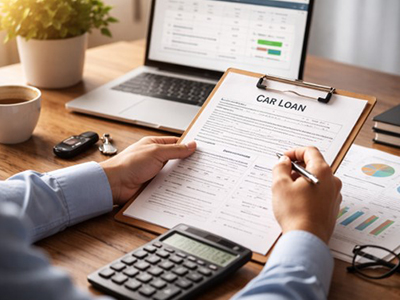
If you’re planning to finance a vehicle, taking a little time to evaluate your choices can make a meaningful difference in both your monthly payment and the total cost of your loan.
What Car Loan Rates Actually Mean
A car loan rate is the cost you pay to borrow money. It’s usually shown as an annual percentage rate (APR), which includes both the interest rate and certain fees associated with the loan.
Even a small difference in APR can have a noticeable impact over time. A lower rate reduces the total interest you pay, while a higher rate increases both your monthly payment and the overall cost of your loan.
While many people begin by comparing rates in their area, it’s important to remember that the number itself only tells part of the story.
Why Car Loan Rates Can Vary Between Borrowers
It’s common to receive different loan offers from different lenders, even within the same area. That variation typically comes down to a few key factors.
Credit history and score
Your credit profile plays a major role in determining the rate you’re offered. Strong credit often leads to better terms, while lower scores may result in higher rates.
Loan term length
Shorter loan terms usually come with lower rates but higher monthly payments. Longer terms reduce the monthly cost but increase the total interest over time.
Vehicle type and age
New vehicles may qualify for lower rates, while older or used vehicles can carry slightly higher rates.
Down payment amount
A larger down payment reduces the loan amount and can improve your overall loan terms.
Looking Beyond the Interest Rate
While the interest rate is important, it shouldn’t be the only factor you consider.
A complete evaluation should include:
- The total cost of the loan
- The length of the loan term
- Any fees or additional charges
- Flexibility in repayment
In some cases, a slightly higher rate with better overall terms may be the more practical choice.
How to Compare Car Loan Options Effectively
Comparing loan options becomes easier when you take a structured approach.
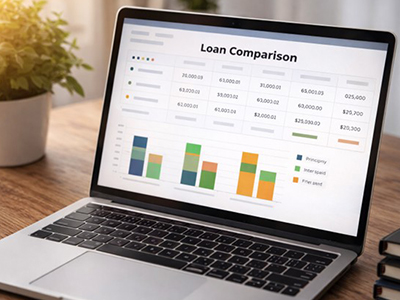
Start by reviewing the APR, not just the interest rate. Then look at how long the loan runs and calculate the total amount you’ll pay over time. It’s also important to understand any conditions or penalties tied to the loan.
This method gives you a clearer picture of what each option truly costs.
How Pre-Approval Helps You Plan Your Loan
Getting pre-approved can give you a clearer idea of what to expect before you begin shopping for a vehicle.
With pre-approval:
- You know your estimated rate range
- You can set a realistic budget
- You avoid last-minute surprises
It also helps you compare offers with more confidence.
The Value of Working with a Local Lender
Local lenders, including credit unions, often approach lending differently than larger institutions.
They may offer:
- More personalized service
- Clear and straightforward communication
- Competitive rates within the community
- A focus on long-term relationships
Working with a local lender can make the process easier to understand and navigate.
Common Mistakes to Avoid When Choosing a Car Loan
Even careful borrowers can overlook important details. Some common mistakes include:
- Focusing only on monthly payments
- Choosing longer terms without considering the total cost
- Skipping pre-approval
- Not comparing multiple lenders
- Overlooking fees or conditions
Avoiding these can help you make a more informed decision.
When It’s Worth Taking a Second Look at Your Loan Options
Your first offer may not always be your best option. It may be worth reviewing your choices again if:
- The rate seems higher than expected
- The monthly payment feels uncomfortable
- The loan term is longer than planned
- You’re unsure about the total cost
Taking a step back can often lead to a better outcome.
How to Choose the Right Car Loan for Your Situation
Every borrower’s situation is different. The right loan depends on your financial goals, budget, and how long you plan to keep the vehicle.
A well-structured loan should:
- Fit comfortably within your budget
- Balance the monthly payment and the total cost
- Offer clear and understandable terms
Comparing options carefully will help you make a confident decision.
Explore Your Car Loan Options with Confidence
If you’re planning to finance a vehicle, taking the time to review your options can help you move forward with confidence.
At 1st Community Credit Union, we help members understand their loan options and choose solutions that align with their financial goals. Whether you’re purchasing your first vehicle or upgrading, having the right guidance can make the process smoother.
Check Out Auto Loan Rates Today
Frequently Asked Questions
What is a good car loan rate?
~ A good rate depends on your credit score, loan term, and current market conditions.
Should I focus more on the rate or the monthly payment?
~ Both matter. It’s important to balance monthly affordability with total loan cost.
Does pre-approval affect my credit score?
~ It depends on whether the lender performs a soft or hard inquiry.
Can I refinance my car loan later?
~ Yes, refinancing may help you get a lower rate or better loan terms.
How can I improve my chances of getting a better rate?
~ Maintaining strong credit, making a larger down payment, and comparing lenders can improve your options.
Glossary
Annual Percentage Rate (APR)
~ The total cost of borrowing money for a loan, including interest and certain fees, is expressed as a yearly percentage.
Interest Rate
~ The percentage charged by a lender on the amount you borrow, not including additional fees.
Loan Term
~ The length of time you must repay your car loan is usually measured in months.
Down Payment
~ The amount you pay upfront when purchasing a vehicle, which reduces the total loan amount.
Pre-Approval
~ A lender’s estimate of how much you can borrow and at what rate is given before you finalize a loan.
Principal
~ The original amount of money borrowed in a loan, not including interest.
Monthly Payment
~ The fixed amount you pay each month toward your car loan, including both principal and interest.
Refinancing
~ Replacing your current car loan with a new one, often to get a better rate or different terms.
What's the first step to helping kids learn healthy habits about money matters? Open a Savings account in their name! You can help a child in your life get started, one small step or one giant leap at a time. Teach your child to Dream Big!

Help young ones learn about financial literacy by exposing them early to the idea of sound money habits. Wondering where to start? Here are a few ideas to help get you started:
- Earning Money: This fundamental concept helps them understand the value of money and the effort needed to earn it. Encourage them to earn money by doing house chores or other jobs around the house.
- Setting Savings Goals: Help them plan for things they want to buy, like a new toy or game. A simple piggy bank and writing down how much they have saved versus how much they need will help! They can also open a savings account at the credit union and learn to start banking.
- Counting Money: Instill money-counting skills using different coins and notes. Depending on their age, introduce them to various payment methods, including cash and mobile payments, explaining how each transaction is completed.
- Charity and Gifts: Encourage them to spend part of their money on charity or buying presents for friends, fostering a sense of generosity and community belonging.
- Delayed Gratification: Teach them the value of hard work and the benefits of saving for something they want rather than making impulse purchases.
By incorporating these money lessons into your child's routine, you can pave the way toward their financial success.
Looking for more ways to teach children about smart money management? Check out our website for tips.
Better yet, get them started with a Youth Savings account at the credit union:
- Open with as little as $5.00
- Youth and Teen Certificates also available
- Ages 1-17 receive a birthday card and deposit match offer during child's birthday month
You'll need the child's Birth Certificate, Social Security Card, and an adult as joint owner on the account. Stop into one of our locations in Sparta, West Salem, or Tomah to open a Youth Account during the month of April to celebrate Credit Union Youth Month!