
Car Loan Rates Near You: How to Evaluate Your Loan Options
When you start looking for a car loan, one of the first things you’ll notice is how much rates can vary. Two borrowers with similar goals can end up with very different loan terms depending on where they apply and how they evaluate their options.
That’s why understanding car loan rates near your location is more than just comparing numbers. It’s about knowing what affects those rates, how lenders structure loans, and what makes one option better than another for your situation.

If you’re planning to finance a vehicle, taking a little time to evaluate your choices can make a meaningful difference in both your monthly payment and the total cost of your loan.
What Car Loan Rates Actually Mean
A car loan rate is the cost you pay to borrow money. It’s usually shown as an annual percentage rate (APR), which includes both the interest rate and certain fees associated with the loan.
Even a small difference in APR can have a noticeable impact over time. A lower rate reduces the total interest you pay, while a higher rate increases both your monthly payment and the overall cost of your loan.
While many people begin by comparing rates in their area, it’s important to remember that the number itself only tells part of the story.
Why Car Loan Rates Can Vary Between Borrowers
It’s common to receive different loan offers from different lenders, even within the same area. That variation typically comes down to a few key factors.
Credit history and score
Your credit profile plays a major role in determining the rate you’re offered. Strong credit often leads to better terms, while lower scores may result in higher rates.
Loan term length
Shorter loan terms usually come with lower rates but higher monthly payments. Longer terms reduce the monthly cost but increase the total interest over time.
Vehicle type and age
New vehicles may qualify for lower rates, while older or used vehicles can carry slightly higher rates.
Down payment amount
A larger down payment reduces the loan amount and can improve your overall loan terms.
Looking Beyond the Interest Rate
While the interest rate is important, it shouldn’t be the only factor you consider.
A complete evaluation should include:
- The total cost of the loan
- The length of the loan term
- Any fees or additional charges
- Flexibility in repayment
In some cases, a slightly higher rate with better overall terms may be the more practical choice.
How to Compare Car Loan Options Effectively
Comparing loan options becomes easier when you take a structured approach.
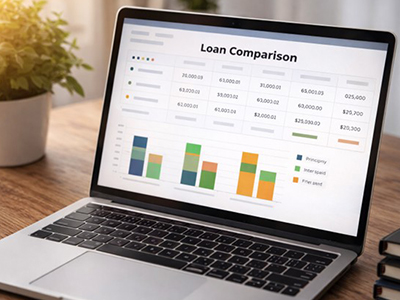
Start by reviewing the APR, not just the interest rate. Then look at how long the loan runs and calculate the total amount you’ll pay over time. It’s also important to understand any conditions or penalties tied to the loan.
This method gives you a clearer picture of what each option truly costs.
How Pre-Approval Helps You Plan Your Loan
Getting pre-approved can give you a clearer idea of what to expect before you begin shopping for a vehicle.
With pre-approval:
- You know your estimated rate range
- You can set a realistic budget
- You avoid last-minute surprises
It also helps you compare offers with more confidence.
The Value of Working with a Local Lender
Local lenders, including credit unions, often approach lending differently than larger institutions.
They may offer:
- More personalized service
- Clear and straightforward communication
- Competitive rates within the community
- A focus on long-term relationships
Working with a local lender can make the process easier to understand and navigate.
Common Mistakes to Avoid When Choosing a Car Loan
Even careful borrowers can overlook important details. Some common mistakes include:
- Focusing only on monthly payments
- Choosing longer terms without considering the total cost
- Skipping pre-approval
- Not comparing multiple lenders
- Overlooking fees or conditions
Avoiding these can help you make a more informed decision.
When It’s Worth Taking a Second Look at Your Loan Options
Your first offer may not always be your best option. It may be worth reviewing your choices again if:
- The rate seems higher than expected
- The monthly payment feels uncomfortable
- The loan term is longer than planned
- You’re unsure about the total cost
Taking a step back can often lead to a better outcome.
How to Choose the Right Car Loan for Your Situation
Every borrower’s situation is different. The right loan depends on your financial goals, budget, and how long you plan to keep the vehicle.
A well-structured loan should:
- Fit comfortably within your budget
- Balance the monthly payment and the total cost
- Offer clear and understandable terms
Comparing options carefully will help you make a confident decision.
Explore Your Car Loan Options with Confidence
If you’re planning to finance a vehicle, taking the time to review your options can help you move forward with confidence.
At 1st Community Credit Union, we help members understand their loan options and choose solutions that align with their financial goals. Whether you’re purchasing your first vehicle or upgrading, having the right guidance can make the process smoother.
Check Out Auto Loan Rates Today
Frequently Asked Questions
What is a good car loan rate?
~ A good rate depends on your credit score, loan term, and current market conditions.
Should I focus more on the rate or the monthly payment?
~ Both matter. It’s important to balance monthly affordability with total loan cost.
Does pre-approval affect my credit score?
~ It depends on whether the lender performs a soft or hard inquiry.
Can I refinance my car loan later?
~ Yes, refinancing may help you get a lower rate or better loan terms.
How can I improve my chances of getting a better rate?
~ Maintaining strong credit, making a larger down payment, and comparing lenders can improve your options.
Glossary
Annual Percentage Rate (APR)
~ The total cost of borrowing money for a loan, including interest and certain fees, is expressed as a yearly percentage.
Interest Rate
~ The percentage charged by a lender on the amount you borrow, not including additional fees.
Loan Term
~ The length of time you must repay your car loan is usually measured in months.
Down Payment
~ The amount you pay upfront when purchasing a vehicle, which reduces the total loan amount.
Pre-Approval
~ A lender’s estimate of how much you can borrow and at what rate is given before you finalize a loan.
Principal
~ The original amount of money borrowed in a loan, not including interest.
Monthly Payment
~ The fixed amount you pay each month toward your car loan, including both principal and interest.
Refinancing
~ Replacing your current car loan with a new one, often to get a better rate or different terms.
« Return to "Blog"